Why Upgrade to the Latest Version of GE Mark VI Control Systems?
Where precision and productivity are paramount, the choice of control systems can make all the difference. Among the stalwarts in this domain, GE MARK VI Control Systems have long been trusted for their reliability and performance. However, as technology advances, businesses must weigh the benefits of upgrading to the latest version. In this discussion, we explore the tangible advantages of embracing the newest iteration of these control systems, paving the way for enhanced operations and long-term success.
What Are GE Mark VI Control Systems?
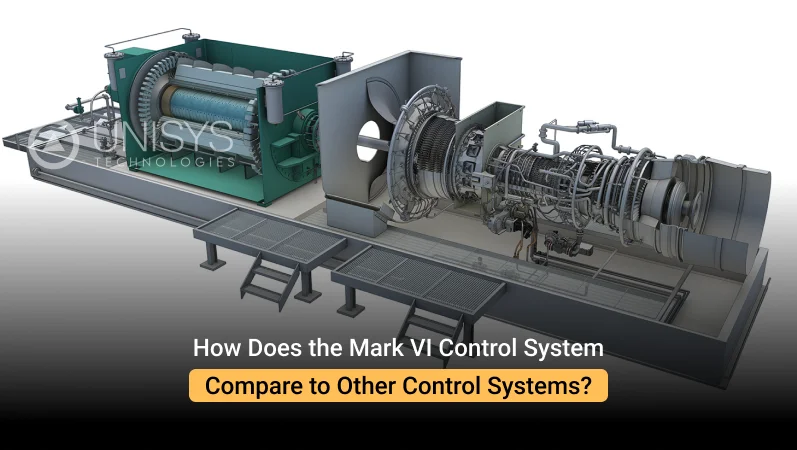
The GE Mark VI Control System is a
state-of-the-art industrial control system developed by General Electric (GE)
for various applications, particularly in the power generation and oil and gas
industries. It is a central hub for monitoring and controlling complex
processes within power plants, including turbines, generators, and associated
equipment. The Mark VI system enables operators to optimize performance, ensure
reliability, and enhance efficiency across their operations by leveraging
advanced hardware and software technologies.
History And Evolution Of The GE Mark VI Control Systems:
1.
Mark I and Mark II: The lineage of the GE Mark VI Control System
traces back to its predecessors, the Mark I and Mark II control systems, which
laid the groundwork for modern industrial control solutions. These early
systems pioneered integrating digital control technologies into power
generation processes, significantly departing from traditional analog systems.
2.
Mark III and Mark IV: Building upon the advancements of its
predecessors, GE introduced the Mark III and Mark IV control systems,
incorporating improvements in hardware capabilities and software
functionalities. These iterations introduced features such as enhanced
diagnostics, improved reliability, and greater flexibility in system
configuration, catering to the evolving needs of industrial operators.
3.
Mark V:
In the late 1980s, GE launched the Mark V control system, representing a
substantial leap forward in control system technology. The Mark V system
introduced a distributed control architecture, allowing decentralized control
functions to be distributed across multiple modules. This modular approach
enhanced scalability, fault tolerance, and system redundancy, thereby
increasing the robustness and reliability of industrial control systems.
4.
Mark VI: Introduced
in the early 2000s, the GE Mark VI Control System represented a paradigm shift
in industrial control technology. Leveraging advancements in digital signal
processing, networking, and software algorithms, the Mark VI system offered
unprecedented performance, flexibility, and functionality. Its integrated
control and protection capabilities, advanced diagnostics, and predictive
maintenance features set new benchmarks for efficiency and reliability in power
plant operations.
5.
Evolution and Updates: Since its inception, the GE Mark VI Control
System has continuously evolved and updated to incorporate the latest
technological advancements and address emerging industry requirements.
Subsequent versions and iterations have introduced enhancements in cybersecurity,
interoperability, and data analytics, ensuring that the Mark VI system remains
at the forefront of industrial control technology.
The evolution of the GE Mark VI
Control System reflects a commitment to innovation and continuous improvement,
driven by the goal of empowering industrial operators to achieve optimal
performance, reliability, and efficiency in their operations.
Why Upgrade To The Latest Version Of GE Mark VI Control
Systems?
Staying up-to-date on industrial
control systems is not just a luxury but a necessity. The GE Mark VI Control
System is among the leading solutions in this realm, renowned for its
reliability, efficiency, and advanced capabilities. However, as technology
advances, so do the demands of modern industries. This begs the question: Why
should companies consider upgrading to the latest GE Mark VI Control Systems
version?
1. Enhanced Performance And Efficiency
With each iteration, GE refines the
Mark VI Control System to deliver superior performance and efficiency.
Upgrading ensures that your operations benefit from the latest optimizations,
allowing for smoother processes, reduced downtime, and, ultimately, higher
productivity. The latest version empowers your systems to handle complex tasks,
from faster response times to improved data processing capabilities.
2. Comprehensive Security Features
The latest version of the GE Mark VI
Control System has enhanced security features to protect against evolving
threats. From encryption protocols to intrusion detection systems, investing in
an upgrade safeguards your operations and instills confidence in stakeholders
regarding data integrity and system reliability.
3. Compatibility And Interoperability
As industrial ecosystems become
increasingly interconnected, compatibility and interoperability are vital
considerations. Upgrading to the latest GE Mark VI Control System version
ensures seamless integration with other systems and technologies, facilitating
data exchange and collaboration across various platforms. This interoperability
lays the foundation for future expansion and innovation, enabling your
organization to quickly adapt to changing market dynamics.
4. Regulatory Compliance
Regulatory requirements governing
industrial control systems are constantly evolving. By upgrading to the latest
version of the GE Mark VI Control System, you ensure compliance with the latest
industry standards and regulations. This proactive approach mitigates
regulatory risks and demonstrates your commitment to operating at the highest
safety, reliability, and environmental sustainability standards.
5. Access To Advanced Features And Support
The latest GE Mark VI Control System
version introduces advanced features to streamline operations and unlock new
capabilities. Upgrading empowers your team to extract maximum value from your
control systems, from predictive maintenance
algorithms to advanced diagnostic tools. Additionally, ongoing support and
maintenance services ensure your systems remain optimized and reliable,
minimizing disruptions and maximizing uptime.
What Are The Steps Involved In Upgrading?
Here are the general steps involved in
upgrading the GE Mark VI Control System:
1.
Assessment And Planning:
·
Evaluate the
system configuration, including hardware, software, and firmware versions.
·
Identify the
reasons for upgrading, such as performance improvements, cybersecurity
enhancements, or regulatory compliance requirements.
·
Develop a
comprehensive upgrade plan, including timelines, resource allocation, and
potential impacts on operations.
2.
Backup And Documentation:
·
Ensure all
critical data, configurations, and settings are backed up before upgrading.
·
Document the
existing system configuration, including hardware components, software
versions, network configurations, and any customizations or modifications.
3.
System
Preparation:
·
Ensure that all
prerequisite requirements for the upgrade are met, including hardware
compatibility, software dependencies, and system readiness checks.
·
Communicate with
relevant stakeholders, including operators, maintenance personnel, and IT
staff, to coordinate the upgrade activities and minimize disruptions.
Software Installation:
·
Obtain the latest
GE Mark VI Control System software version from the manufacturer or authorized
distributor.
·
Follow the
manufacturer's installation instructions, including required software licenses,
activation keys, or registration procedures.
·
Verify the
integrity of the installation files and perform any necessary software
validations or integrity checks.
Hardware Upgrade (If Applicable):
·
If the upgrade
involves hardware components, such as processors, memory modules, or
communication interfaces, follow the manufacturer's guidelines for hardware
installation and configuration.
·
Ensure that all
hardware components are compatible with the new software version and meet the
system requirements.
Configuration And Integration:
·
Configure the
upgraded software according to the documented system configuration, including
network settings, device mappings, alarm thresholds, and control logic.
·
Integrate the
upgraded system with existing infrastructure, such as supervisory control and
data acquisition (SCADA) systems, human-machine interfaces (HMIs), and other
control systems.
Testing And Validation:
·
Conduct
comprehensive testing of the upgraded system to ensure that all
functionalities, including control loops, alarms, interlocks, and communication
protocols, function as expected.
·
Perform system
validation tests to verify compliance with performance specifications,
regulatory requirements, and industry standards.
·
Engage end-users
and subject matter experts in user acceptance testing (UAT) to validate the
system's functionality and usability in real-world scenarios.
Training And Documentation:
·
Train operators,
maintenance personnel, and other relevant stakeholders on how to use, maintain,
and troubleshoot the upgraded system.
·
Document the
upgraded system configuration, including any changes or customizations made
during the upgrade process.
·
Develop standard
operating procedures (SOPs), troubleshooting guides, and maintenance manuals to
support ongoing operations and maintenance activities.
Deployment And Go-Live:
·
Coordinate the
deployment of the upgraded system with the production schedule to minimize
disruptions to operations.
·
Communicate with
stakeholders regarding the timing and impact of the system deployment,
including any planned downtime or operational changes.
·
Monitor the
system during the initial post-deployment period to identify and address any
issues or performance concerns.
Post-Upgrade Support And Maintenance:
·
Provide ongoing
support and maintenance for the upgraded system, including software updates,
patches, and technical assistance.
·
Establish a
process for monitoring system performance, collecting end-user feedback, and
addressing issues or enhancement requests.
·
Continuously
evaluate the performance and effectiveness of the upgraded system, making
adjustments and improvements as needed to optimize operations and maximize
return on investment.
By following these steps,
organizations can effectively plan, execute, and manage the upgrade process for
the GE Mark VI Control System, ensuring a smooth transition to the latest
version and realizing the full benefits of the upgraded system.
What Are The Common Challenges During An Upgrade?
Several common challenges may arise
during the GE Mark VI Control System upgrade. Here are some of the most typical
ones:
1.
Compatibility Issues:
Compatibility between the upgraded
software version and existing hardware components or third-party software
applications can be a significant challenge. Incompatibilities may result in
system errors, malfunctions, or performance issues that require additional
troubleshooting and configuration adjustments.
2.
Data Migration:
Transferring critical data,
configurations, and settings from the old system to the upgraded system can be
complex and error-prone. Data migration issues, such as data loss, corruption,
or inconsistency, may occur during the upgrade process, leading to operational
disruptions or the loss of historical data.
3.
Customizations And Integrations:
Many industrial facilities have
customizations or integrations with the existing GE Mark VI Control System,
such as custom control logic, interface modifications, or third-party software
integrations. Ensuring compatibility and functionality of these customizations
and integrations with the upgraded system can be challenging and may require
additional development or configuration work.
4.
Training And Adoption:
Training operators, maintenance
personnel, and other stakeholders on using, maintaining, and troubleshooting
the upgraded system is crucial for successful adoption. However, resistance to
change, limited training resources, or inadequate user documentation can hinder
the adoption process and result in suboptimal utilization of the upgraded
system.
5.
Testing And Validation:
Comprehensive testing and validation
of the upgraded system are essential to ensure that all functionalities,
including control logic, alarms, interlocks, and communication protocols,
function as expected. However, testing may be time-consuming and
resource-intensive, and unexpected issues or discrepancies may arise during the
validation process, requiring additional troubleshooting and rework.
6.
Downtime And Operational Disruptions:
Upgrading the GE Mark VI Control
System often requires downtime or operational disruptions, impacting production
schedules, plant operations, and overall productivity. Minimizing downtime and
coordinating the upgrade activities with production schedules are critical
challenges that require careful planning and coordination with relevant
stakeholders.
7.
Cybersecurity Risks:
As industrial systems become
increasingly connected and digitalized, cybersecurity risks pose a significant
challenge during system upgrades. Ensuring the security of the upgraded system
against cyber threats, such as malware, ransomware, or unauthorized access,
requires robust security measures, such as encryption, authentication, and
intrusion detection systems.
8.
Vendor Support And Resources:
The availability of vendor support,
technical resources, and expertise during the upgrade process can impact the
success and timeline of the upgrade project. Limited vendor support, delayed
response times, or a lack of resources with specialized knowledge of the GE
Mark VI Control System can prolong the upgrade process and increase project
risks.
Addressing these common challenges
requires careful planning, thorough risk assessment, proactive communication
with stakeholders, and collaboration with experienced vendors and service
providers. By anticipating potential challenges and implementing mitigation
strategies, organizations can minimize the impact of upgrades and ensure a
successful transition to the latest version of the GE Mark VI Control System.
What Are The Specific Compatibility Issues Faced During
This Upgrade?
Specific compatibility issues that
organizations may encounter during an upgrade of the GE Mark VI Control System
can vary depending on factors such as the existing system configuration,
hardware components, software versions, and third-party integrations. However,
here are some common compatibility challenges to be aware of:
1.
Hardware Compatibility:
·
Compatibility
issues may arise if the upgraded software version requires hardware components
that are unsupported or compatible with the existing system architecture.
·
For example, the
upgraded software may have higher system requirements in terms of processor
speed, memory capacity, or communication interfaces, necessitating hardware
upgrades or replacements.
2.
Software Dependencies:
·
Upgrading the GE
Mark VI Control System may require compatibility with other software
applications or dependencies within the overall system architecture.
·
Compatibility
issues may arise if the upgraded software version is incompatible with
third-party software applications, drivers, or libraries integral to the
system's operation.
3.
Firmware Versions:
·
Compatibility
between the upgraded software and existing firmware versions of hardware
components, such as controllers, communication modules, or I/O modules, is
crucial for seamless integration and functionality.
·
Incompatibilities
between firmware versions may result in communication errors, device
malfunctions, or performance issues that require firmware updates or
adjustments.
4.
Legacy Systems and Customizations:
·
Organizations
with legacy systems or customizations implemented on the GE Mark VI Control
System may encounter compatibility issues when upgrading to the latest software
version.
·
Custom control
logic, interface modifications, or proprietary software integrations may not be
fully compatible with the upgraded software version, requiring adjustments,
redevelopment, or alternative solutions.
5.
Communication Protocols:
·
Compatibility
issues may arise if the upgraded software version introduces changes or updates
to communication protocols, network configurations, or data formats.
·
Incompatibilities
between communication protocols may disrupt data exchange, device interoperability,
or system integration with other control systems or devices.
6.
Database And Data Migration:
·
Upgrading the GE
Mark VI Control System may involve migrating data from the existing database
format or schema to the format the upgraded software version uses.
·
Compatibility
issues may occur if the data migration process encounters inconsistencies, data
corruption, or data loss, resulting in errors or discrepancies in the upgraded
system.
7.
Operating System Compatibility:
·
Compatibility
between the upgraded software version and the underlying operating system
environment is critical for system stability, performance, and security.
·
Incompatibilities
between the software version and the operating system may result in
installation failures, runtime errors, or system crashes that require
troubleshooting and resolution.
Addressing these compatibility issues
requires thorough planning, testing, and validation to ensure the upgraded
system meets performance requirements, functional specifications, and
compatibility standards. Engaging with experienced vendors, consulting
technical documentation, and leveraging vendor support resources can help
organizations navigate compatibility challenges and successfully upgrade the GE
Mark VI Control System.
What Are Some Best Practices For Successful Upgrades?
To ensure a successful upgrade of the
GE Mark VI Control System, following best practices that optimize the process
and mitigate potential risks is essential. Here are some essential practices to
consider:
1.
Thorough
Planning And Preparation:
·
Conduct a
comprehensive assessment of the current system, including hardware, software,
and configurations.
·
Define the
upgrade project's objectives and success criteria, considering performance
improvements, cybersecurity enhancements, and regulatory compliance.
·
Develop a
detailed upgrade plan, including timelines, resource allocation, and
contingency measures for addressing unexpected challenges.
2.
Engage Stakeholders And Obtain Buy-In:
·
Communicate with
relevant stakeholders, including operators, maintenance personnel, IT staff,
and management, to ensure alignment and obtain buy-in for the upgrade project.
·
To foster
ownership and support for the upgrade initiative, involve end-users in the
planning and decision-making, solicit feedback, and address concerns.
3.
Backup Critical Data And Configuration:
·
Before initiating
the upgrade process, ensure that all critical data, configurations, and
settings are backed up to prevent data loss or corruption.
·
Document the
existing system configuration, including hardware components, software
versions, network settings, and customizations, to facilitate troubleshooting
and rollback if necessary.
4.
Follow Vendor Guidelines And Best Practices:
·
Adhere to the
manufacturer's guidelines, recommendations, and best practices for upgrading
the GE Mark VI Control System.
·
Consult vendor
documentation, release notes, and technical support resources to ensure the
upgrade process is performed correctly and efficiently.
5.
Conduct Rigorous Testing And Validation:
·
Develop a
comprehensive testing plan that includes functional testing, performance
testing, and system validation to verify the upgraded system's integrity and
functionality.
·
Perform testing
in a controlled environment, using test cases that simulate real-world
scenarios and operational conditions, to identify and address any issues or
discrepancies before deployment.
6.
Provide Training And Support:
·
Offer training
sessions for operators, maintenance personnel, and other stakeholders on how to
use, maintain, and troubleshoot the upgraded system.
·
Develop user
documentation, standard operating procedures (SOPs), and troubleshooting guides
to support ongoing operations and address common issues or questions.
7.
Implement Change Management Processes:
·
Establish change
management processes and procedures, including communication plans, change
control boards, and rollback strategies, to manage the transition to the
upgraded system.
·
Monitor and
document changes to the system configuration, software versions, and
operational procedures to ensure accountability and traceability throughout the
upgrade process.
8.
Monitor Performance And Provide Ongoing
Support:
·
Monitor the
upgraded system's performance during the initial post-deployment period to
identify and address any issues or performance concerns.
·
To ensure
continued reliability and performance, provide ongoing support and maintenance
for the upgraded system, including software updates, patches, and technical
assistance.
By following these best practices,
organizations can increase the likelihood of a successful upgrade of the GE
Mark VI Control System, minimize risks, and realize the full benefits of the
upgraded system.
How Can Organizations Minimize Downtime During An
Upgrade?
Minimizing downtime during the GE Mark
VI Control System upgrade requires careful planning, coordination, and
execution. Here are some strategies to help organizations achieve this goal:
1. Perform Off-Peak Upgrades:
·
Schedule the
upgrade during off-peak hours or scheduled maintenance windows to minimize the
impact on production operations.
·
Coordinate with
relevant stakeholders to ensure that the timing of the upgrade aligns with
production schedules and operational priorities.
2. Implement Parallel Testing Environments:
·
Set up parallel
testing environments that mirror the production system to test and validate the
upgraded system without affecting live operations.
·
Perform thorough
testing in the parallel environment to identify and address any issues or
discrepancies before deploying the upgrade to the production environment.
3. Utilize Redundancy And Failover Mechanisms:
·
Implement
redundancy and failover mechanisms within the control system architecture to
ensure high availability and minimize the risk of downtime during the upgrade
process.
·
Utilize redundant
hardware components, communication interfaces, and power supplies to provide
backup capabilities and automatic failover in case of hardware failures or
disruptions.
4. Develop Rollback Plans And Contingency
Measures:
·
Develop rollback
plans and contingency measures to quickly revert to the previous system
configuration in case of unexpected issues or failures during the upgrade
process.
·
Identify critical
checkpoints and milestones throughout the upgrade process where rollback
options can be evaluated and executed if necessary.
5. Prioritize Critical Components and
Functions:
·
Prioritize the
upgrade of critical components, functions, and interfaces within the control
system to minimize the risk of downtime for mission-critical operations.
·
Identify critical
dependencies and interdependencies within the system architecture and focus
resources on upgrading components that impact overall system performance and reliability.
6. Coordinate Cross-Functional Teams and
Resources:
·
Establish
cross-functional teams comprising operators, maintenance personnel, IT staff,
vendors, and other relevant stakeholders to coordinate and execute the upgrade
process.
·
Assign clear
roles and responsibilities to team members, establish communication channels,
and ensure all necessary resources and expertise are available to support the
upgrade activities.
7. Optimize Upgrade Procedures And Processes:
·
Streamline
upgrade procedures and processes to minimize downtime and reduce the duration
of maintenance windows.
·
Leverage
automation tools, scripts, and pre-configured templates to expedite the
deployment of software updates, configuration changes, and system
modifications.
8. Communicate Proactively With Stakeholders:
·
Proactively
communicate with stakeholders, including operators, maintenance personnel,
management, and customers, to inform them about the upgrade schedule, expected
downtime, and potential impacts on operations.
·
Provide regular
updates and status reports throughout the upgrade process to manage
expectations and address concerns or questions.
By implementing these strategies and
best practices, organizations can minimize downtime during the GE Mark VI
Control System upgrade, maintain operational continuity, and ensure a smooth
transition to the upgraded system.
Utilizing UNISYS Group For Seamless Upgrades
At UNISYS Group, navigating the
upgrade process to the latest GE Mark VI Control Systems version can be
daunting. That's why we're here to lend our expertise and support every step of
the way.
Here's how we can assist:
1.
Comprehensive Assessment: We begin by thoroughly assessing your current
control system infrastructure. Our experts analyze your system's performance,
identify areas for improvement, and outline an upgrade plan to ensure a smooth
transition to the latest version of GE Mark VI Control Systems.
2.
Customized Solutions: With our in-depth knowledge of GE Mark VI
Control Systems and vast experience in industrial automation, we develop
customized solutions to meet your specific needs. Whether it's optimizing
system configurations, integrating new functionalities, or addressing
compatibility concerns, we tailor our approach to align with your operational
requirements.
3.
Technical Expertise: Our team comprises seasoned engineers and
technicians with extensive control system upgrade expertise. From software
installation and configuration to hardware enhancements and testing, we
leverage our technical prowess to execute the upgrade process efficiently and
effectively.
4.
Strategic Partnership: Partnering with UNISYS Group means gaining
access to a trusted ally committed to your success. We work closely with you
throughout the upgrade journey, providing proactive guidance, strategic
insights, and ongoing support to maximize the value of your investment in the
latest version of GE Mark VI Control Systems.
With UNISYS Group by your side,
upgrading to the latest version of GE Mark VI Control Systems becomes a
streamlined and hassle-free experience. Trust us to empower your organization
with advanced technology, optimized performance, and unparalleled support,
propelling you toward a future of enhanced operational excellence.
Wrapping Up:
Upgrading to the latest GE Mark VI Control Systems version offers many benefits that transcend operational improvements. The advantages are clear, from enhanced performance and advanced diagnostics to bolstered cybersecurity measures and future-proofing investments. By embracing innovation and leveraging the latest technological advancements, businesses can optimize operations, mitigate risks, and position themselves for sustained success. As industries continue to evolve, upgrading to the latest version of GE Mark VI Control Systems isn't just about staying current—it's about paving the way for a future of unparalleled efficiency, reliability, and competitiveness.